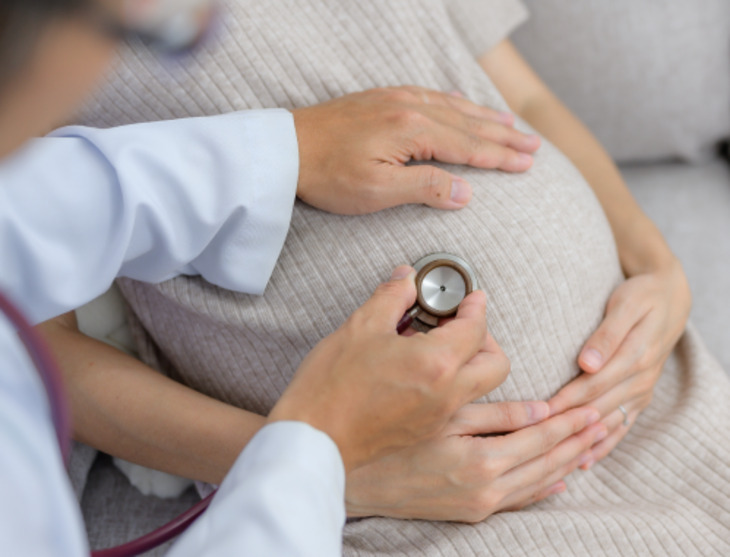
Prenatal care includes the health care services and evaluations performed during pregnancy to help keep you and your baby healthy. It involves regular visits to your doctor and prenatal tests to prevent and detect potential health problems. Proper prenatal care reduces the risk of complications during pregnancy.
Maintaining a healthy lifestyle is an essential part of prenatal care.
Balanced nutrition:
- Choose a variety of fruits, vegetables, cereals, whole grains, and low-fat dairy products.
- Limit your caffeine intake from coffee, tea, or soft drinks. Avoid energy drinks.
- Take your prenatal vitamins every day.
Important nutrients:
- Folic acid: beans, fortified cereals, and dark green vegetables.
- Iron: lean meats, beans, fortified cereals, and dark green vegetables.
- Calcium: dairy products (milk, yogurt, cheese, etc.), dark green vegetables, and canned salmon.
- Vitamin D: fortified dairy products, fortified cereals, and salmon.
Healthy weight:
- Talk with your doctor about how much weight you should gain.
Medications:
- Do not take any medications, including over-the-counter drugs or supplements without first consulting your doctor.
Oral health care:
- Visit your dentist during pregnancy.
- Brush your teeth after every meal.
- Floss daily.
Physical activity:
- Physical activity during pregnancy can help relieve constipation and back pain, improve sleep, and strengthen the muscles used during labor.
- Aim for at least 30 minutes of moderate physical activity daily. Consult your doctor about the type and amount of exercise that is safe for you.
Avoid alcohol and tobacco:
- Smoking or exposure to secondhand smoke is harmful to both the pregnant woman and her baby.
- Avoid alcohol and illegal drugs. If you need help quitting alcohol, tobacco, or drugs, seek professional support.
Emotional health:
- It is normal to feel overwhelmed, sad, or anxious during pregnancy.
- Resting and engaging in enjoyable activities improve your emotional well-being.
- Talk to your doctor if you find it difficult to manage your emotions.
When should you call the doctor?
- If you experience a fall.
- If you have severe abdominal pain, fever, chills, pain when urinating, or vaginal bleeding.
- If you notice little or no movement from your baby starting in the second trimester.
- If you have signs or symptoms of pre-term labor.
References: