
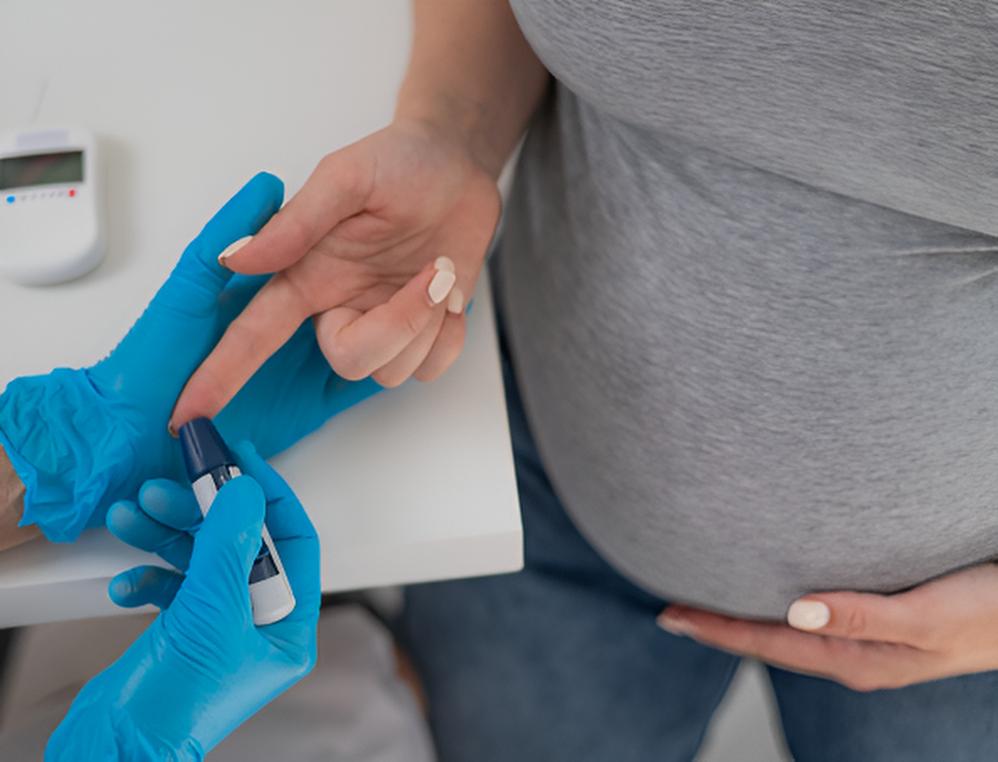
Gestational diabetes is a type of diabetes diagnosed for the first time during pregnancy. It affects how your body uses sugar (glucose), which can impact your pregnancy and your baby’s health. To screen this condition, your healthcare provider may order a glucose tolerance test between 24 and 28 weeks of pregnancy.
Causes
You may be more likely to develop gestational diabetes if you have:
- Hormonal changes during pregnancy
- Obesity or overweight
- Gained too much weight during pregnancy
- A family history of diabetes
- High blood pressure
- Polycystic ovary syndrome (PCOS)
Symptoms
Gestational diabetes often has no obvious symptoms, but watch for:
- Feeling very thirsty
- Urinating more often than usual
- Frequent infections
- Blurred vision
- Unexpected weight gain
If you notice these signs, talk to your healthcare provider.
Risks to the Baby
If gestational diabetes is not managed well, it can cause:
- Preterm birth (early delivery)
- A larger-than-average baby (9 pounds or more), which may make delivery harder
- Rapid changes in your baby’s blood sugar after birth
- Breathing problems
- Higher risk of obesity or diabetes later in life
Risks to the mother
- Complications during delivery
- Needing a cesarean section (C-section)
- Preeclampsia (high blood pressure during pregnancy)
- Developing type 2 diabetes in the future
What to do if you have gestational diabetes
- Attend all your medical appointments.
- Check your blood sugar as your healthcare provider directs.
- The American College of Obstetricians and Gynecologists (ACOG) recommend these target levels:
- Fasting: less than 95 mg/dL
- 1 hour after meals: less than 140 mg/dL
- 2 hours after meals: less than 120 mg/dL
- Your provider may adjust these targets based on your health.
- Follow a healthy eating plan.
- Learn which foods help control blood sugar.
- Consult a registered dietitian
- Exercise regularly.
- Aim for at least 30 minutes, 5 days a week, with your doctor’s approval.
- Take medications as prescribed.
- Some people may need insulin therapy to control blood sugar.
After Delivery
- Gestational diabetes usually goes away after birth.
- Attend your postpartum checkup between 1 and 3 weeks after delivery or cesarian section.
- Get screened for diabetes after delivery and again at 6 weeks postpartum.
- Maintain healthy habits to lower your risk of type 2 diabetes.
Following these recommendations helps support a healthy pregnancy and a healthy baby.
References
https://www.cdc.gov/diabetes/about/gestational-diabetes.html
https://www.diabetes.org/diabetes/gestational-diabetes
https://www.acog.org/womens-health/faqs/gestational-diabetes