
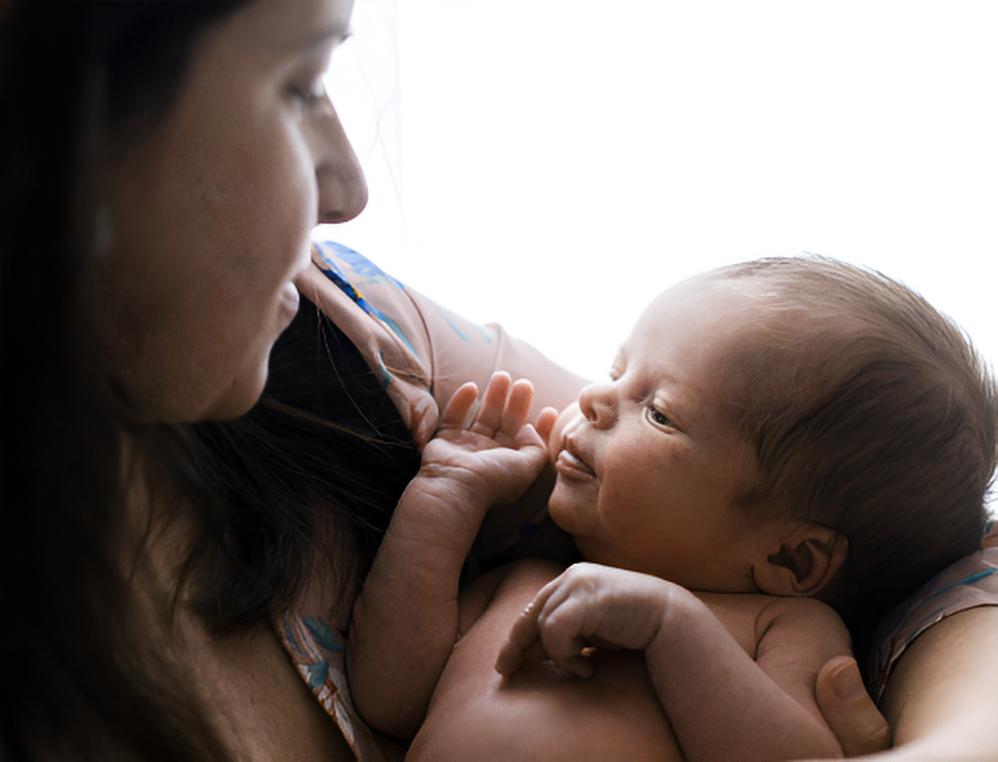
A woman’s mental health can change during pregnancy or after childbirth. Some of these emotional changes may be related to conditions such as anxiety and depression. Poor mental health can affect not only the mother but also the baby and the family. Support from a partner, family, friends, and healthcare professionals is very important for emotional well-being.
Symptoms
- Feeling sad, worthless, or excessively worried
- Crying more easily than usual
- Not enjoying activities, you used to enjoy
- Lack of energy and motivation
- Sleeping too much or too little
- Eating too much or too little
- Trouble concentrating or making decisions
- Feelings of guilt or hopelessness
- Feeling like something bad will happen
- Unexplained aches and pains
- Constant worry about your baby
- Feeling unable to care for your baby
- Negative thoughts about your baby
- In rare cases, distorted or intrusive thoughts
If you experience any of these symptoms for more than two weeks, seek help from a healthcare professional.
Recommendations:
- Learn about mental health care during pregnancy and postpartum.
- Seek support or treatment if needed.
- Practice stress management techniques:deep breathing, meditation, gentle walks, or keeping a gratitude journal.
- Continue any mental health treatment you already receive from a psychologist or psychiatrist.
- Allow others to help with household or baby-related tasks.
- Continue treatment for conditions such as hypothyroidism, if applicable.
- Set aside time for self-care.
- Connect with other mothers or join support groups.
When to Seek Professional Help
Contact your obstetrician-gynecologist, mental health professional, or primary care provider if:
- Symptoms last more than two weeks.
- You have a diagnosed mental health disorder, and symptoms worsen during or after pregnancy.
- You have thoughts of harming yourself or your baby call 9-8-8 (Suicide & Crisis Lifeline) or 9-1-1 in an emergency.